

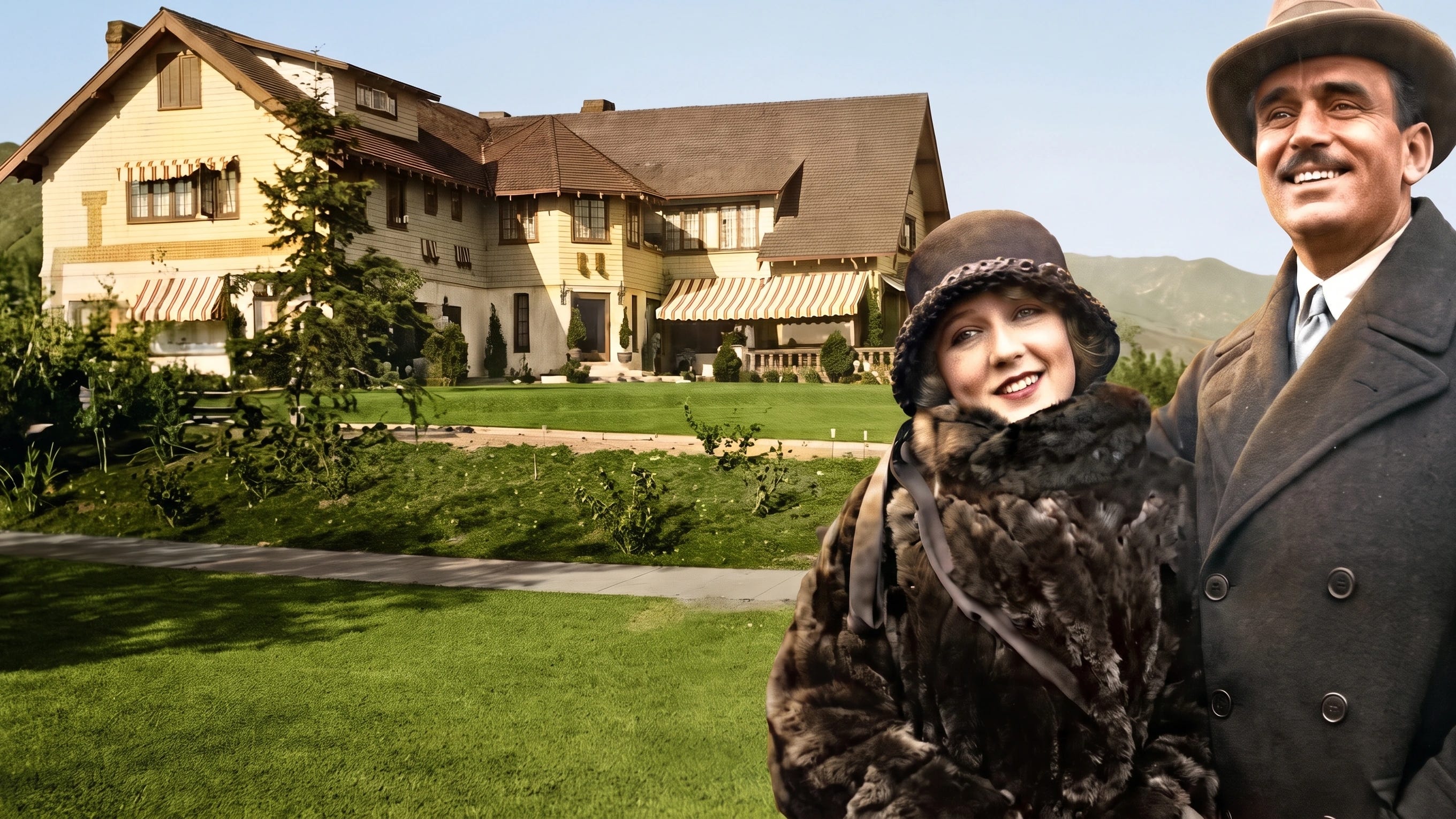
Let’s imagine, for a moment, that we’ve been transported back to the peak of 1920s America.
Flappers with bobbed hair dance the Charleston to hot jazz in speakeasies behind unmarked doors.
On Wall Street, the stock market climbs month after month, and suddenly everybody wants a piece of it. Ordinary families buy shares on credit and read the financial page over breakfast, sure the numbers can only go up.
And out west in a burgeoning neighborhood called “Hollywood”, all that money and swagger are pouring into the movies.
The pictures are silent, but the stars in them are the loudest names in the country.
Through the 1920s, the reigning king and queen of the silver screen were the swashbuckling Douglas Fairbanks and “America’s Sweetheart,” Mary Pickford, the most famous woman in pictures.
Their own personal Camelot included one of the first private swimming pools in Los Angeles, and they liked to cross it by canoe.
For years, the most coveted invitation in Hollywood led up one winding drive, and getting it was the closest thing the town had to a knighthood. The house at the top went by a single word built from its owners’ last names: Pickfair.
Albert Einstein came. So did Amelia Earhart, Babe Ruth and the Duke and Duchess of Windsor, while Charlie Chaplin simply came over from next door.
The house around it came down in 1990, within a year of its new owners promising to keep the famous name.
Any Duke
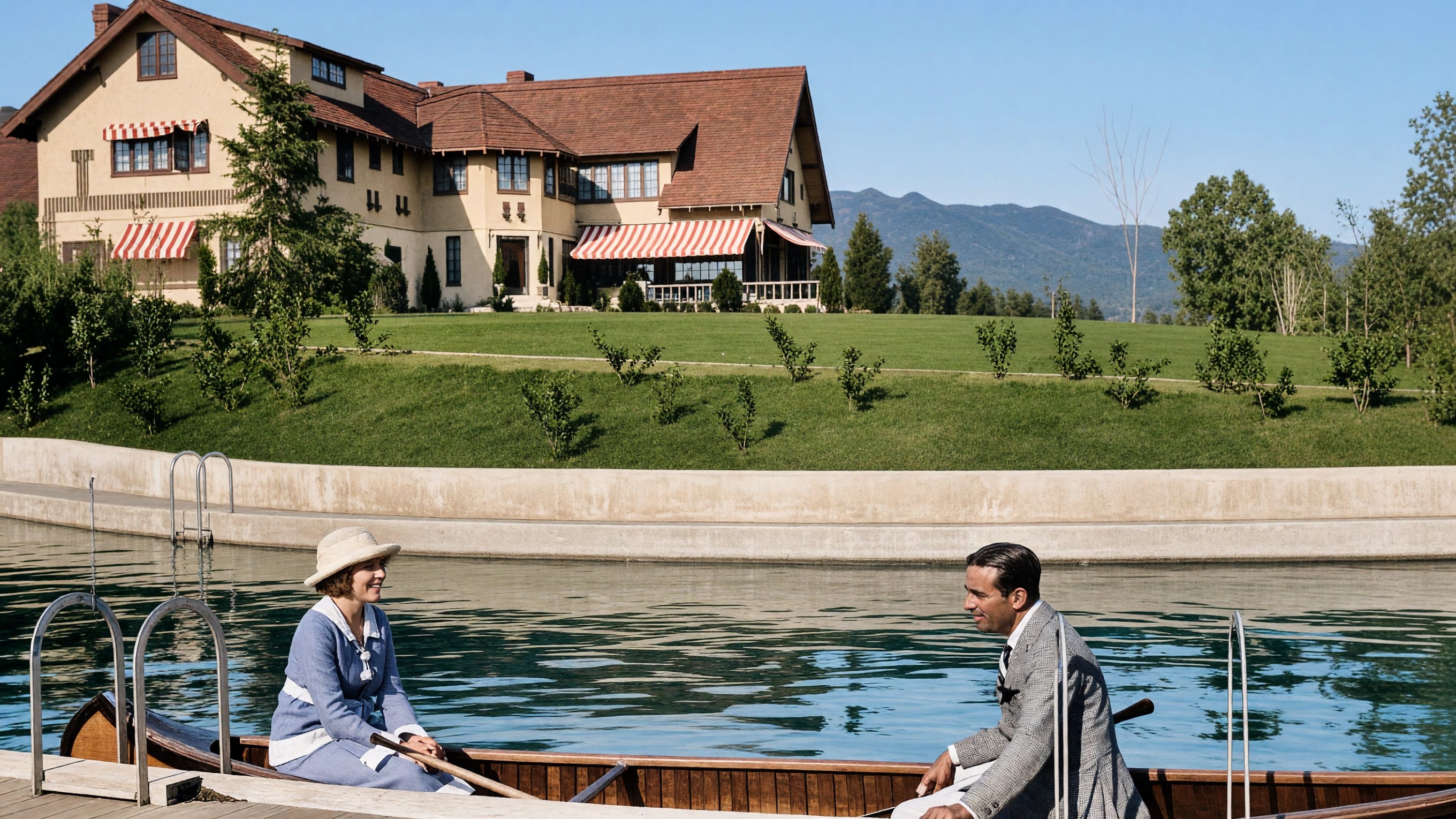
The year is 1922, and Beverly Hills is still a young town of bean fields and empty hillsides. Summit Drive winds up out of it into the hills above Sunset Boulevard.
On a knoll above San Ysidro Canyon, one of the ravines that split those hills, the lights of Pickfair come into view, with its stables, tennis courts and about 15 acres of grounds spread out around it.
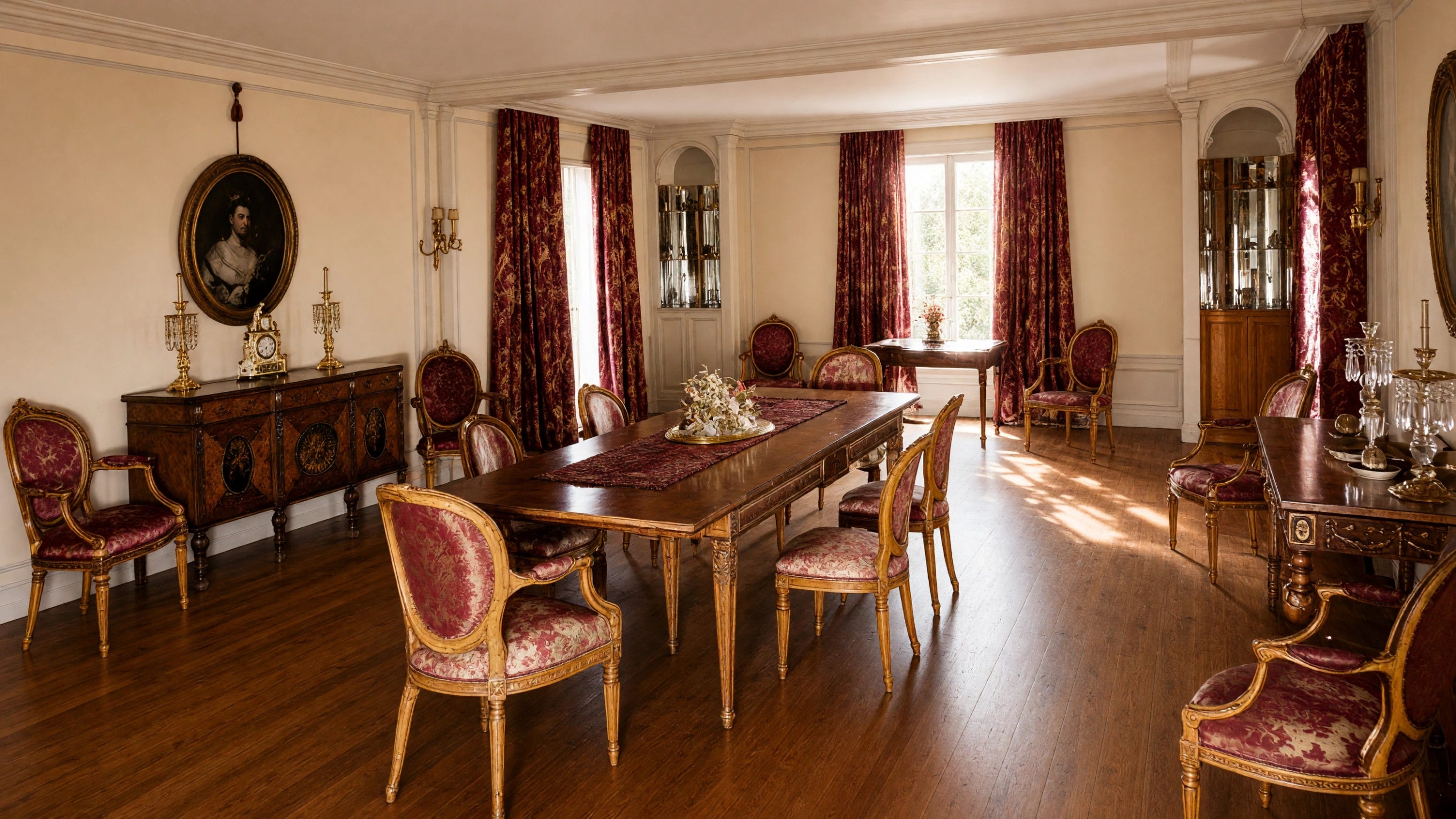
Mary and Doug furnished its two dozen rooms like an English country seat, as if Hollywood’s royal couple fancied themselves landed gentry.
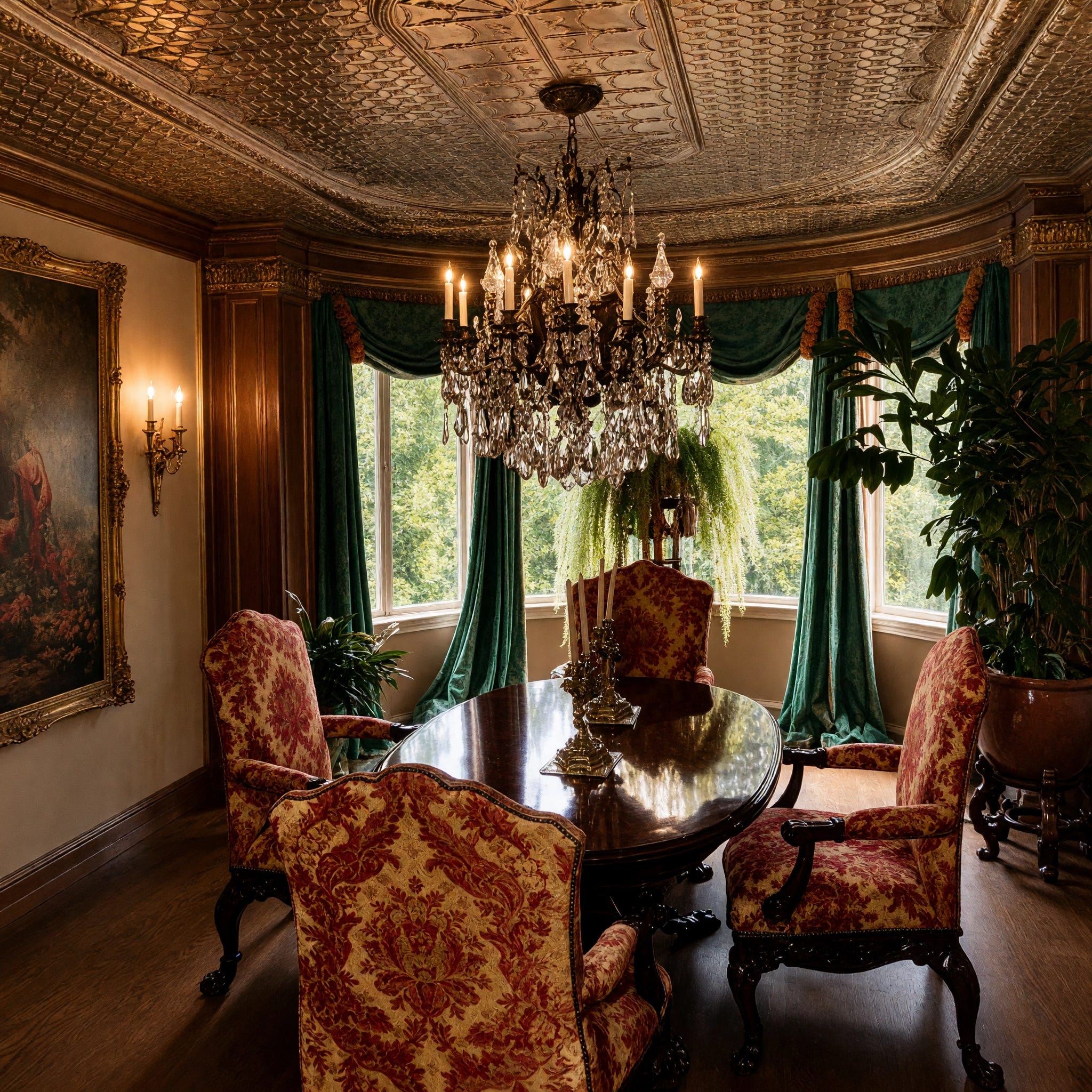
Guests drifted past early-18th-century English and French furniture, Louis XVI pieces and paintings by George Romney, beneath frescoed ceilings and walls of mahogany and bleached pine that glinted with gold leaf.
The society decorator Elsie de Wolfe did the living room. Mary wanted light, so she punched larger windows into the walls wherever she could and hung a sliding mirror over the dining-room fireplace.
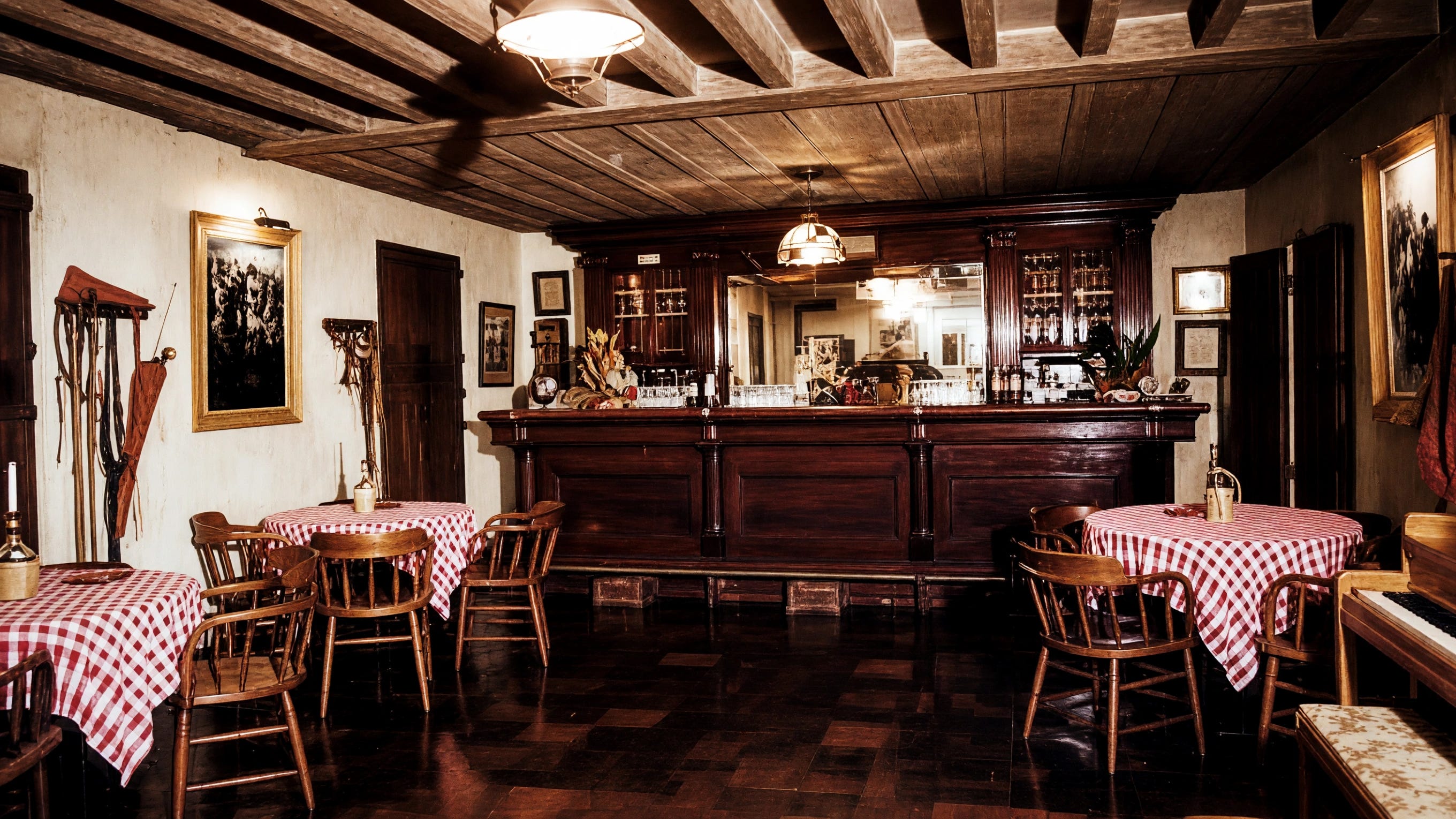
Doug wanted a saloon, and he got one.
Downstairs stood a burnished mahogany bar hauled out of a real saloon in Auburn, California, with Frederic Remington’s paintings of the Old West on the walls. This was where Zorro himself entertained the cowboy star Tom Mix.
Somewhere beneath the estate, the King of Hollywood reportedly ran laps around an underground track without a stitch on.
On the first floor, a private projection room turned the house into its own little movie palace, and its most loyal patron lived next door. Charlie Chaplin often came over for dinner and a movie.
Then the royals arrived. Lord Louis and Lady Mountbatten spent part of their 1922 honeymoon at Pickfair. Decades later, Mountbatten summed the place up for the film historian Kevin Brownlow in a single line: “It was the house that everyone wanted to go to.”
The King and Queen of Siam came calling, and so did King Alfonso XIII of Spain. Some of the royal guests stayed for days, which gave Chaplin endless material.
“Hello, Doug. How’s the Duke?” he asked one day.
“What Duke?” said Fairbanks.
“Oh . . . any Duke.”
“We’ve got several here right now,” Fairbanks shot back. “Which one do you want?”
Life magazine rated Pickfair only slightly less important than the White House, “and much more fun.”
The guest list could have doubled as a history syllabus. Einstein and H.G. Wells, George Bernard Shaw and F. Scott Fitzgerald, Henry Ford and the boxer Jack Dempsey all made the climb, and Hollywood sent up Greta Garbo, Gloria Swanson, Joan Crawford and the Gish sisters.
Mary played hostess the way she played her heroines, with total commitment. When the spiritual teacher Meher Baba arrived in June 1932, she met him at the door herself and told him, “We feel greatly honored by your presence in our home.”
The guests that night included Gary Cooper, the Countess Dentice di Frasso and Mary’s sister Lottie. Soon the Queen of Hollywood was sitting on the carpet at Baba’s feet, with the rest of the party settling onto the floor around her. After dinner, Baba tried three times to leave, and three times Mary wouldn’t let him go.
When he finally rose, the guests closed in around him, and he carried on the conversation by pointing to letters on his alphabet board.
The whole glittering circus started in a six-room hunting lodge with no electricity, bought by a movie star in love with another man’s wife.
A Hunting Lodge
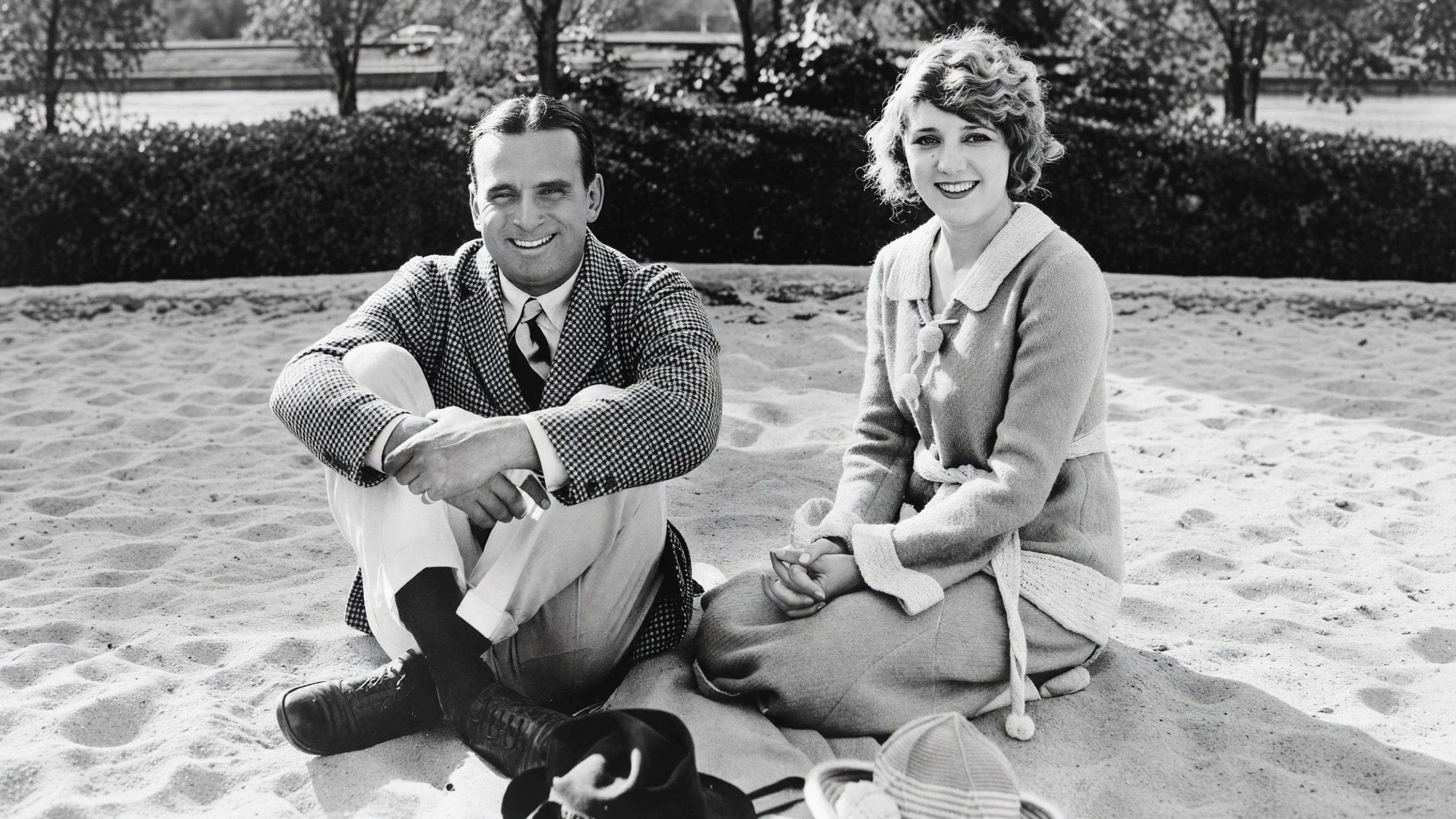
In 1919, Fairbanks paid $35,000 for the lodge, roughly $600,000 in today’s money. For that he got a hill, a view and six plain rooms with no electricity or running water.
For a man in his position, the isolation was the selling point. He was the screen’s great action hero, soon to be Zorro and Robin Hood, and he was in love with Mary Pickford, the biggest star of the silent era and, at the time, another man’s wife.
Doug got what he wanted, on screen and off.
They met at a party in 1915, both married to other people, and spent years keeping the romance out of the papers.
Hollywood’s reporters watched both stars closely, so the lovers hid in the one place nobody thought to look: in front of the crowds.
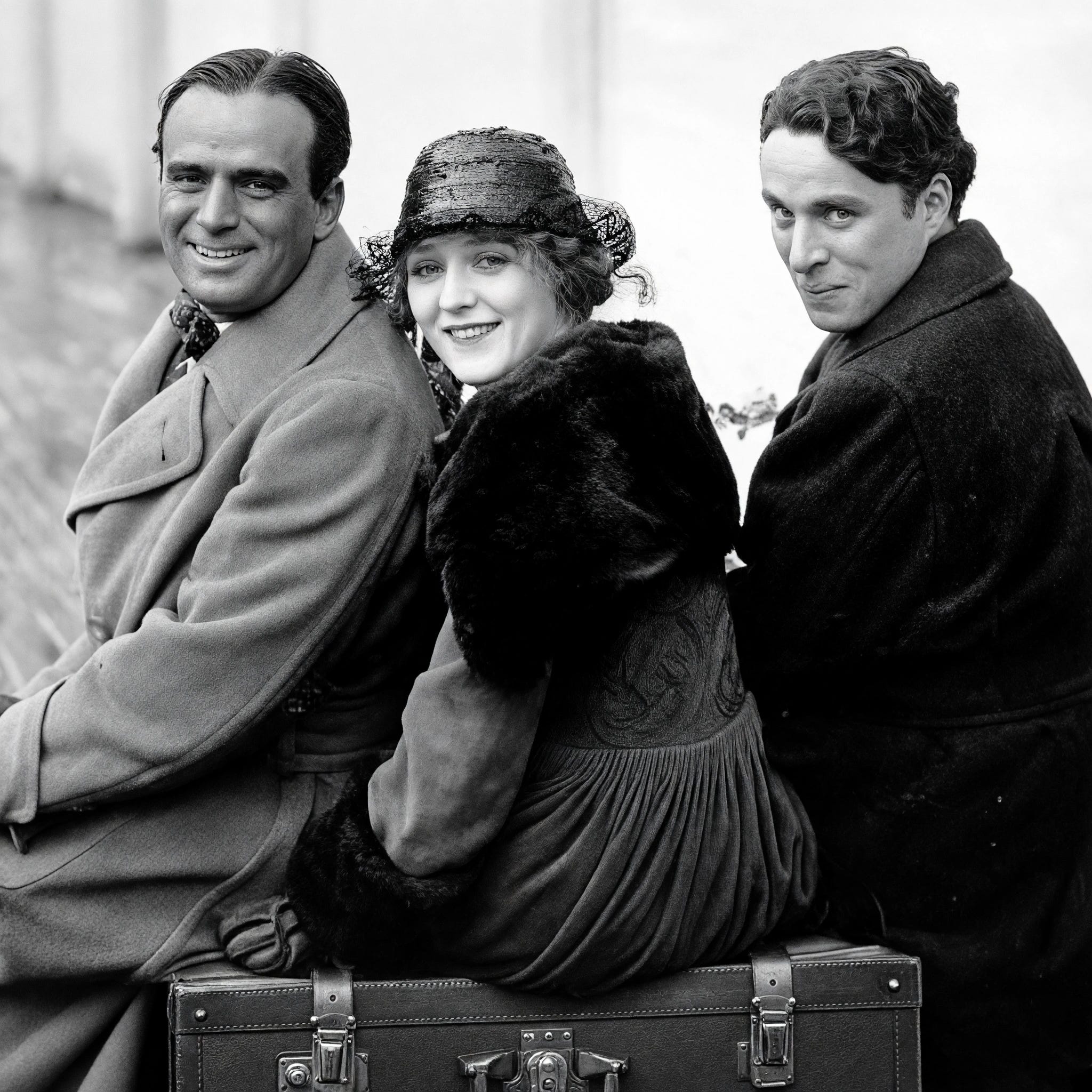
In 1918, with America at war, they crossed the country with Charlie Chaplin selling Liberty Bonds, the government loans that paid for the fighting in Europe.
The press photographs just showed three famous friends on a patriotic errand. Consequently, the reporters trailing them from rally to rally never caught the two who stood a little too close on the platform.
Within a year, they shared a business as well as a secret. In 1919, they joined Chaplin and D.W. Griffith to found United Artists.
Mary’s divorce from her first husband, Owen Moore, came through in early March 1920, and before the month was out, she was Mrs. Douglas Fairbanks.
The newlyweds quickly moved into the lodge on the hill, reportedly as a wedding gift to her.
Decades before Brangelina, the newspapers fused two stars into a single name.
Reporters stitched Pickford and Fairbanks into Pickfair, and the couple’s press agents made sure it stuck.
Winston Millet, a former president of the Beverly Hills Historical Society, later called the name “the invention of the popular press” and the whole legend a product of “the p.r. firms of Hollywood.”
Yet he was blunter still about the couple themselves.
They were “highly paid sex symbols,” he said, “and the more publicity written about it, the better it was for selling that product.”
A product that famous needed packaging to match, and six plain rooms on a hill wouldn’t do.
Fairbanks dressed the lodge in a mock-Tudor face in 1920. According to his son, the architect Wallace Neff wanted to go much further, tear the old place down and start fresh, and the couple refused to hear of it.
So Neff worked around the old bones. In 1932 he reshaped the house into an English Regency residence, adding two wings, an L-shaped veranda, leaded-glass windows and a copper roof held aloft on wrought iron.
With Neff’s work done, the house had a palace’s bones, and its rooms began collecting treasures from real thrones.
Siam’s royal family, rulers of the country known today as Thailand, gave Mary a silver urn shaped like a lotus flower. A set of china Napoleon gave his empress, Josephine, sat behind glass, an emperor’s tableware on display in the home of two people who earned their crowns at the box office.
Pickfair’s press agents kept the fairy tale polished for the newspapers, though even they couldn’t keep it shining much longer.
Within two years of Neff’s makeover, the marriage behind the house was headed for divorce court.
The Little Girl
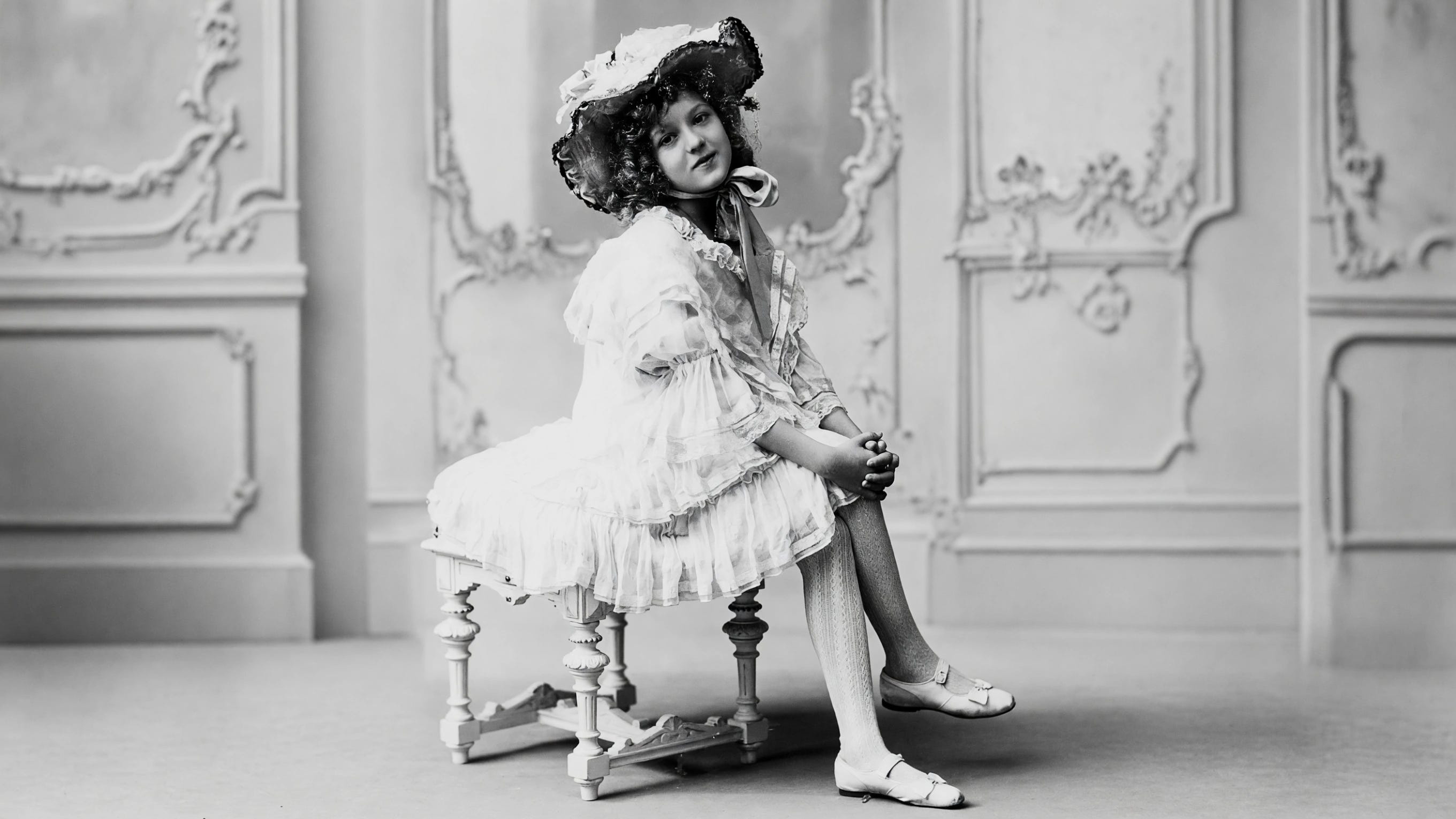
In 1933, at the age of 40, Mary Pickford walked away from the camera for good.
“I knew it was time,” she said. “The little girl made me.”
Doug, meanwhile, still lived by the rule that built his downstairs saloon: when he wanted something, he got it.
In December, the rest of the fairy tale collapsed. Mary learned that Doug was having an affair with Sylvia Ashley, a former chorus girl, and she filed for divorce.
It took until January 1936 to become final, and in March, Fairbanks married Ashley.
Pickfair’s queen kept her palace, and the palace kept her for 43 more years.
She married Charles “Buddy” Rogers, the actor and bandleader who once played opposite her in “My Best Girl,” and settled him into life on the hill.
With Buddy at her side, Mary kept up the old Pickfair ritual of dinner and a movie in the first-floor projection room, watching from the seats now that her own screen days were over.
Doug’s own time was running short.
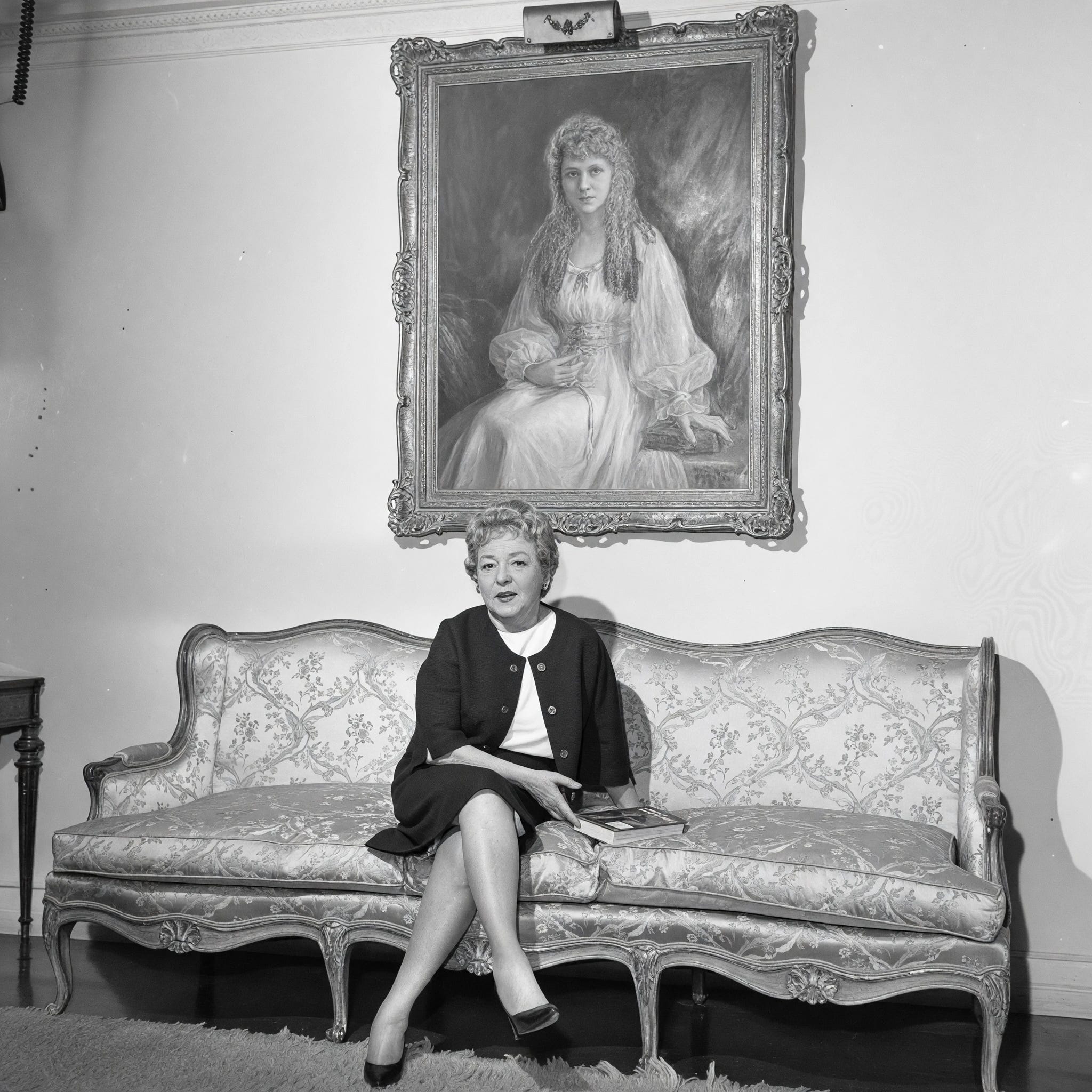
In 1934, Doug made his last picture, The Private Life of Don Juan, and the swashbuckler suddenly had nothing left to conquer on screen. He spent the next few years drifting between England and California with Sylvia, a born athlete in his fifties with no part to play, and his body quietly began to lose the fight.
His heart gave out in December 1939, and according to one biography, Mary was on the road with Rogers’s band in Chicago when the news reached her. She was heard to whisper,
“My darling is gone.”
Sylvia gave him a marble tomb at Hollywood Forever Cemetery and a line from Hamlet to carve on it: “Good night, sweet prince, and flights of angels sing thee to thy rest.”
In the decades that followed, Mary grew frail and reclusive, and Rogers became the keeper of both his wife and her silent-film legacy. The house that once welcomed kings drew in around a much smaller circle, and one account says the estate itself began to slide.
Inside, Mary lived among her younger selves. A visitor late in her life found portraits of her in nearly every room, a gallery of Marys from 18 to 59 keeping company with a little “Rodin Room” and Napoleon’s china behind glass.
And she stayed at Pickfair almost to the very end. Mary Pickford left Pickfair only days before her death. She suffered a stroke and died at Santa Monica Hospital in May 1979, at 86.
Under an arrangement Mary made before her death, Rogers sold the estate and built himself a smaller house on a piece of the land.
The sale ended up in a courtroom, where the judge’s first remark set the spectators laughing.
An Empty Nest
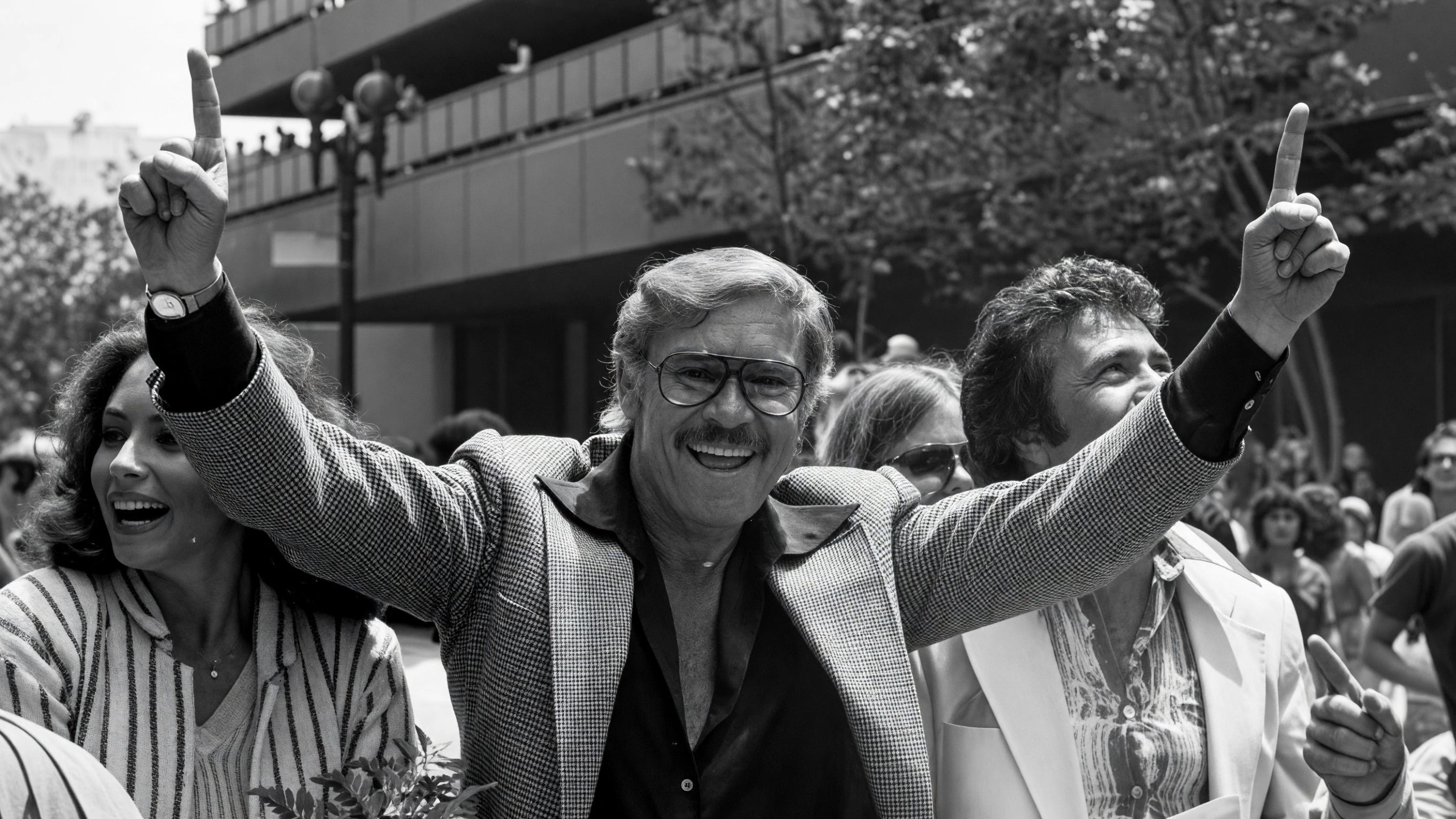
For the first time in 60 years, Pickfair stood without Mary Pickford inside it.
In March 1980, less than a year after her death, the house went on the market at $10 million, roughly $38 million in today’s money, a number that proved wildly hopeful.
At the probate sale that followed, the bid that carried the day came from Jerry Buss, owner of the Los Angeles Lakers, at roughly half the asking price, and nobody in the room topped it.
“It must be a fixer-upper,” said Superior Court Judge Edward Rafeedie, and the courtroom laughed.
Buss took the joke as an assignment. He poured an estimated $2 million to $3 million into the house, remodeling the bathrooms and kitchen, restoring the old moldings and floors, and adding a library and a championship tennis court.
His spokesman, Bob Steiner, said there was “a concerted effort to make the house look as it did at its peak.”
Where Mary’s gowns once hung, a basketball owner displayed his trophies.
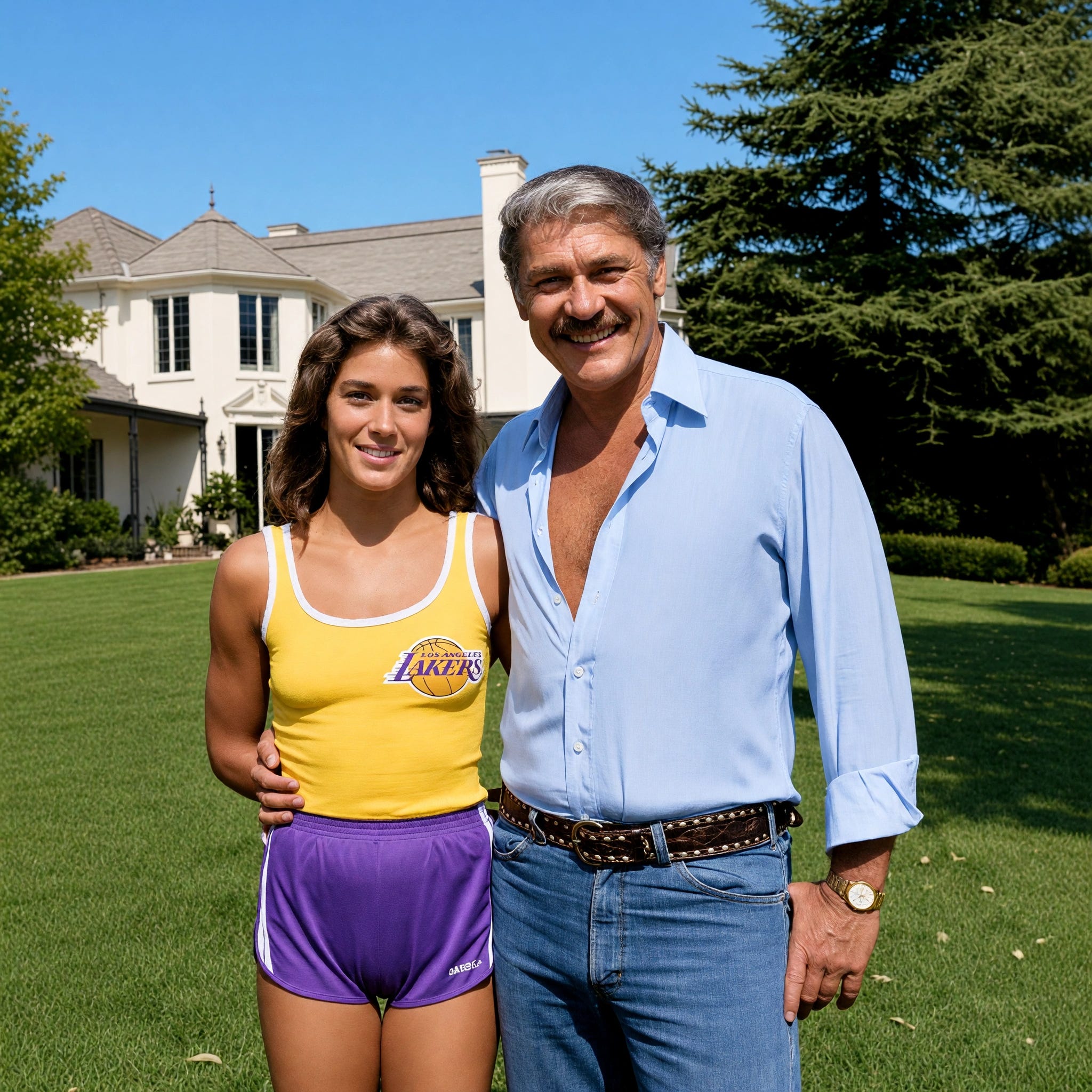
Doug’s old taproom stayed exactly as it was, as if Tom Mix might wander in for a drink at any moment. The broker Elliot Feinman, who handled the sale for the Pickford estate and came back to list the house again, praised Buss for keeping it “Old World” and called the restoration “one of the finest jobs I’ve seen.”
For a few years, the house came back to life. Buss opened it to charity events, and later said it was “very satisfying to help raise millions of dollars for good causes.”
Then the children grew up. In 1986, only his son Jimmy still lived at Pickfair, and Buss bought another place outside Los Angeles.
“So Pickfair is rapidly becoming an empty nest,” he said. “It’s a much bigger house than I need.”
The buyers who finally took it off his hands arrived with a promise that sounded, at the time, like a gift to Hollywood history.
Like Cancer

The next couple up Summit Drive brought show business back to the hill, along with bigger plans for the house than anyone since Wallace Neff.
In 1988, the singer and actress Pia Zadora and her husband, the multimillionaire businessman Meshulam Riklis, paid $6.7 million for Pickfair, roughly $18 million in today’s money.
At first, they said all the right things. Riklis sent word through a secretary that “Pickfair will be called Pickfair,” and Zadora’s manager, Tino Barzie, described a couple who craved privacy.
“She’s in show business and he’s a successful businessman, but they’re quiet kind of people,” Barzie said. “There’s not going to be a neon sign saying ‘Pia and Rick live here.’”
Privacy was exactly what they got, because for months nobody lived behind the old gates in Golden Age Hollywood’s former kingdom.
In the summer of 1989, after standing empty for close to two years, Pickfair was “dusty and run down,” and the couple’s plans called for something far grander than Mary’s English country house.
They wanted a Renaissance-style Venetian palazzo, with tile roofs, balconies, fountains, reflecting pools, a terraced garden and a dog run, all approached by a grand Italian entrance on two tiers of flanking stairs.
The City of Beverly Hills reportedly accepted plans to dismantle most of Pickfair without a single objection.
“The house has been changed through the years a number of times so that it no longer is the original Pickfair,” said Paul Selwyn, the planning commission chairman.
Arguably the commission’s chairwoman, Rose Norton, was simply relieved that the estate would stay in one piece. “We’re so delighted there was one owner who would buy it and restore it to a style they preferred,” she said, “rather than have someone buy it and subdivide it into a lot of little lots.”
With the city’s blessing in hand, the crews moved into the iconic Hollywood mansion and began taking her rooms apart.
And Barzie was right about the neon sign. In April 1990, there was hardly a house left to hang one on.
Only a guest wing and fragments of the living room still stood, the same room where Einstein, Chaplin, the King of Spain and the Windsors were once entertained.
The contractor, Rob Myers, said his crews opened up the old house and found its timbers riddled with termites and dry rot.
“Once we got into it, it was like cancer,” he said. “We kept cutting away at the bad stuff, trying to get at the good stuff until we got down to the foundation. And the foundation didn’t have any steel in it.”
What survived of the living room, Myers said, would be worked into the new house as a tribute.
Old Hollywood took it personally. “I regret it very much,” said Douglas Fairbanks Jr.
He was Doug’s son from his first marriage, and Junior still remembered moonlight swims in that pool. “I wonder, if they were going to demolish it, why they bought it in the first place.”
Phyllis Lerner, president of the local historical society, gave the house its epitaph. “It really wasn’t a pretty house,” she said, “but my God, the guest list!”
And Wallace Neff’s son, whose father wanted the old lodge torn down in 1920, took the news both ways. “Maybe it was time,” he said. “But I really am sorry to see it gone.”
Two decades later, Pia Zadora offered her own explanation, and it involved something far stranger than termites.
The Woman in White
In 2012, Zadora went on the television series Celebrity Ghost Stories and said the house was haunted.
In her telling, a tall woman in white would appear to her and her children, laughing, and the house echoed with women’s laughter and the sounds of parties long since over, all while Riklis was away on business.
“If I had a choice, I never would have torn down this old home,” she said.
“I loved this home, it had a history, it had a very important sense about it and you can deal with termites, and you can deal with plumbing issues, but you can’t deal with the supernatural.”
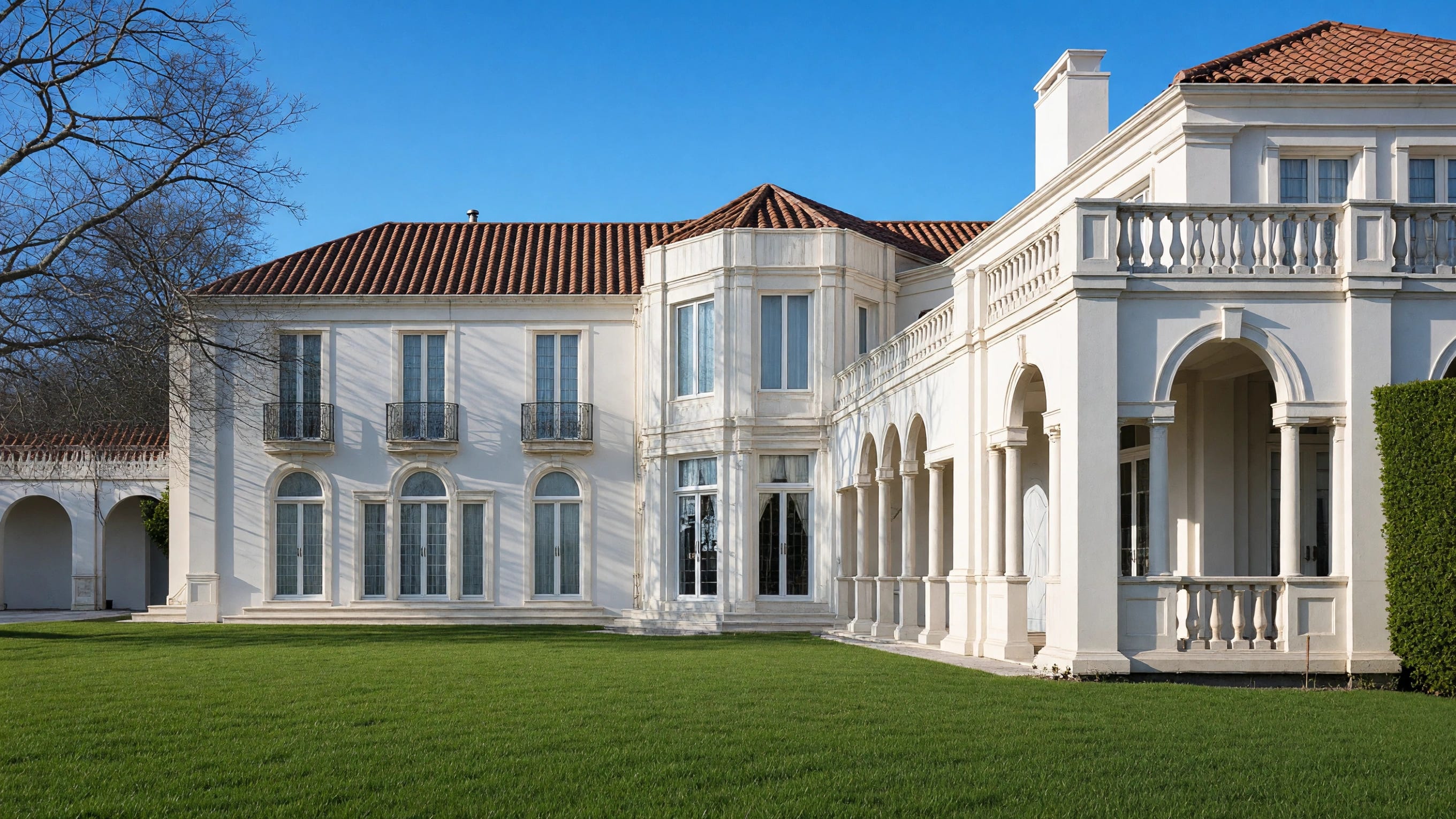
The palazzo that rose in Pickfair’s place was finished in 1994, and it made the old Pickfair look positively modest.
It sprawled across about 26,000 square feet, with a spa beneath a glass dome, a gym, a beauty shop, a theater and a disco. Riklis borrowed decorative ideas from Versailles and the Sistine Chapel, and one craftsman lived on the estate for three years while he worked on the house.
It once entertained Einstein. Now it had its own disco.
Subdivision whittled the grounds down to just over two acres, and in 2005 the estate passed to UNICOM Global, a company owned by the Korean businessman Corry Hong, which bought it for executive meetings and events. Hollywood’s most famous party house was now a corporate meeting center.
Mary’s treasures scattered long ago, and the silver lotus urn from Siam went under the hammer at a 2008 auction.
Phyllis Lerner had it right all along. Pickfair’s glory was its guest list, a press release with a copper roof, and once the last of the guests went home, a famous name was all that stood between the house and the wrecking crews.
The gates still stand, and so does the old guest wing where royalty once slept.
And on the grounds, the old kidney-shaped pool survives, the same water Mary and Doug once crossed by canoe for the cameras, waiting for a party that ended 90 years ago.
Thanks, Deb! Yes this topic was super fun. I secretly LOVE 1920s history. It’s up there as one of my favorite decades :)
Very well written and entertaining. Thank you.